

Volkswagen Chief Tours Threatened German Plant as Cost Warning Intensifies
Volkswagen Group chief executive Oliver Blume has travelled to one of the carmaker's German factories whose future has been cast into doubt, using the visit to repeat a blunt warni
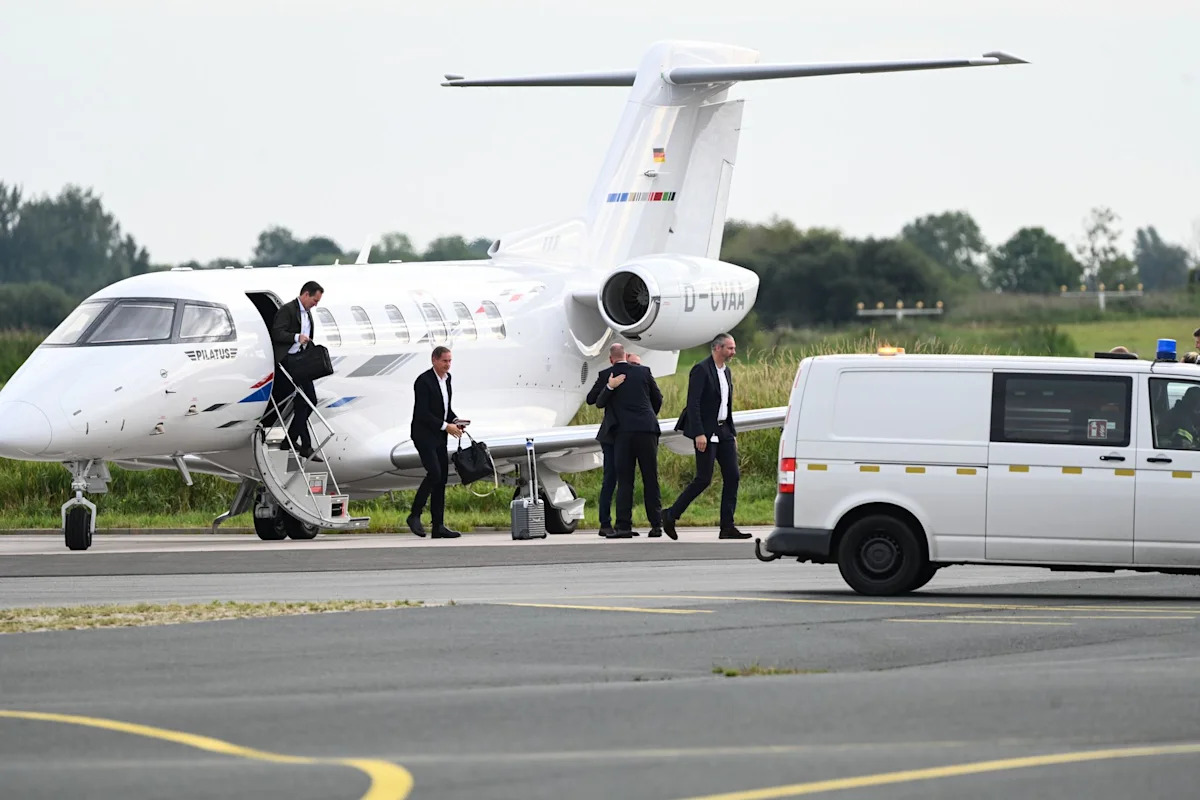
Volkswagen Group chief executive Oliver Blume has travelled to one of the carmaker's German factories whose future has been cast into doubt, using the visit to repeat a blunt warning that the company's domestic operations must slash costs if they are to survive intensifying global competition.
The visit comes at one of the most delicate moments in Volkswagen's postwar history. The Wolfsburg-based group has broken with a long-standing taboo by confirming that plant closures on home soil are no longer off the table, a step it avoided even during the financial crisis and the pandemic.
Management argues that Europe's largest carmaker has run out of room to manoeuvre. Demand for combustion models in Europe has softened while uptake of electric vehicles has lagged the company's own expectations, leaving factories running well below capacity. At the same time, Volkswagen says it is losing ground to faster-moving Asian competitors that have pushed cheaper electric models into its core market.
According to figures presented by the company's leadership, deliveries have fallen short of internal plans by roughly half a million vehicles — a volume the group has likened to the output of two entire plants. That gap, executives contend, cannot be closed through voluntary measures alone, such as the hiring freezes and buyout offers already extended to staff in Germany.
Cost discipline has become the central theme of the group's strategy. The core Volkswagen brand has been pursuing a multi-year efficiency drive intended to lift its operating margin back above its medium-term target, with savings expected to come into full effect over the next few years. Blume has signalled that further structural steps are unavoidable, telling employees during recent appearances that the competitive pressure leaves the board little alternative.
Labour leaders have reacted angrily to the escalation. IG Metall, which represents the bulk of Volkswagen's German workforce, has accused management of manufacturing a crisis and has threatened industrial action if jobs or sites are cut. Works council chiefs have pledged fierce resistance to any closure, arguing that workers should not pay the price for strategic missteps on electrification and software.
The standoff carries political weight. The German state of Lower Saxony holds a blocking minority stake in Volkswagen and is represented on the supervisory board, giving regional politicians a formal voice in any restructuring. Federal and state officials have urged both sides to seek negotiated solutions that protect employment, wary of the signal a closure would send about the health of Europe's biggest economy.
Germany's broader industrial malaise hangs over the dispute. High energy prices, sluggish export markets and slow bureaucracy have weighed on the country's manufacturers, and the automotive sector — long the engine of German prosperity — has proved particularly exposed. Business groups warn that a retreat by Volkswagen would reverberate through a vast network of suppliers concentrated in Lower Saxony and neighbouring regions.
For his part, Blume has sought to balance urgency with reassurance. He has stressed that no final decisions have been taken and that management will work with employee representatives toward solutions, while insisting that all options must remain on the table given the scale of the challenge.
Attention now turns to forthcoming talks between the board and labour representatives, which are expected to determine whether the company can agree a package of savings without triggering open conflict. Analysts say the outcome will shape not only Volkswagen's profitability in the electric era but also the credibility of its pledge to keep production anchored in its home market.
Whatever the resolution, executives and union officials alike appear to accept one conclusion: the era in which every German Volkswagen plant was untouchable is over, and the country's most storied industrial employer is preparing for its most consequential restructuring in decades.
What's Your Reaction?
 Like
0
 Dislike
0
 Love
0
 Funny
0
 Wow
0
 Sad
0
 Angry
0

Reporter Sepak Bola. Fokus pada Liga 1, Timnas, dan sepak bola Asia Tenggara.


Comments (0)