

At Least Nine Dead, Hundreds Missing After Massive Mudslide Tears Through Nepal-China Border Crossing
Chilling security camera footage has emerged showing the final seconds before a towering wall of mud and rock crashed through a crossing point along the Nepal-China border, flatten
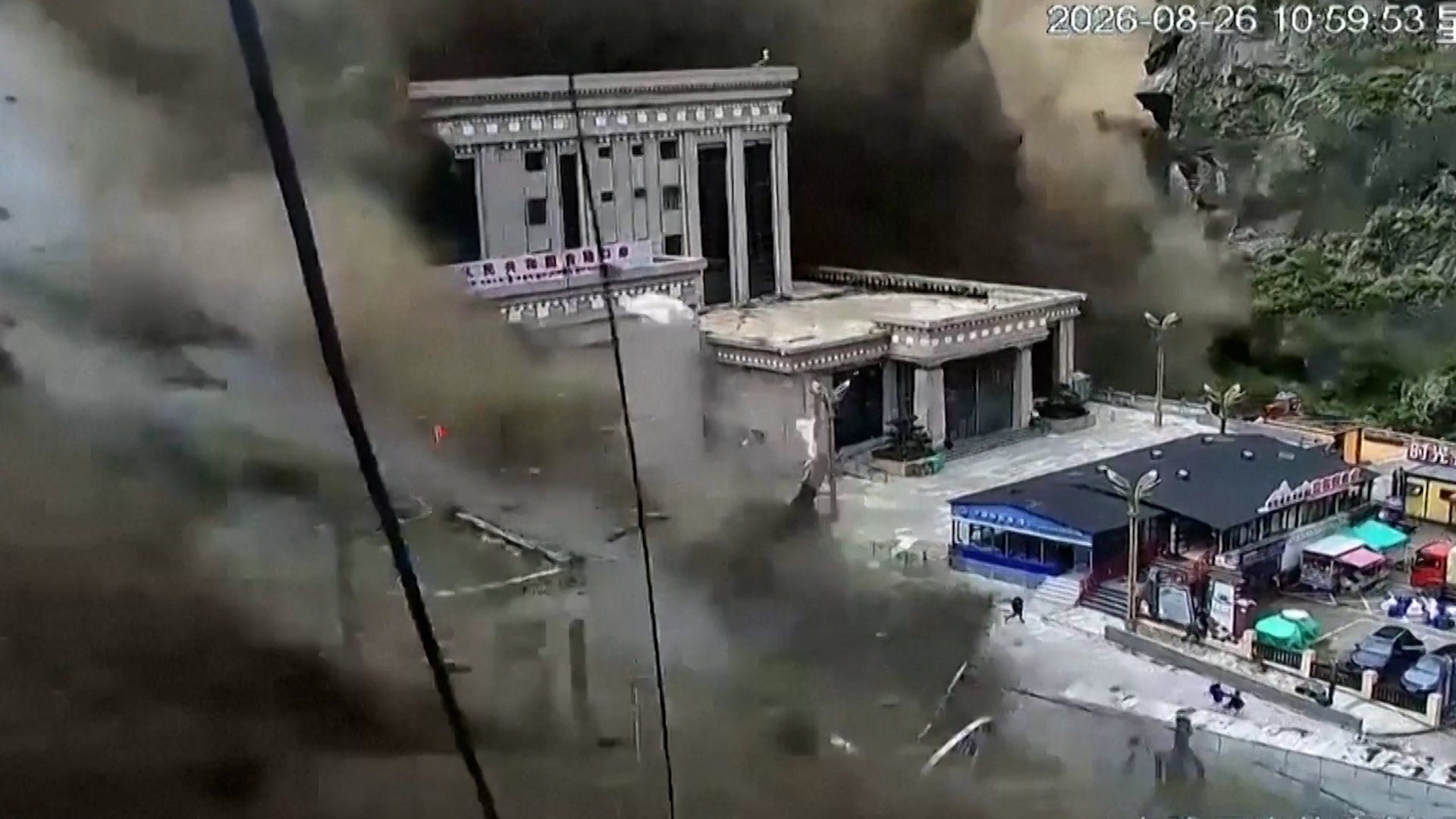
Chilling security camera footage has emerged showing the final seconds before a towering wall of mud and rock crashed through a crossing point along the Nepal-China border, flattening everything in its path. Officials say at least nine people have lost their lives and hundreds more are unaccounted for after torrential flooding unleashed devastation in the mountainous region.
The surveillance video, published on Wednesday, captures ordinary scenes at the frontier post moments before disaster strikes. People can be seen moving around the area, apparently unaware of the danger building above. Suddenly, they break into a desperate run as the roar of the approaching slide becomes unmistakable.
Seconds later, a churning tide of mud, water and debris surges down from the slopes and swallows the entire site. The force of the slide carries away stretches of road, topples nearby buildings and hurls vehicles aside like toys. Within moments, the crossing disappears beneath a thick blanket of sediment and wreckage.
According to initial tallies released after the disaster, the death toll stands at nine, though officials caution that the figure could climb. The fate of hundreds of people who were reportedly in the vicinity remains unknown, making this one of the deadliest sudden-onset disasters to strike Nepal's northern frontier in recent memory.
The mudslide was triggered by violent flash floods that swept through northern Nepal, where days of relentless rainfall have saturated the steep Himalayan terrain. When soils on precarious slopes become waterlogged, even a brief burst of intense rain can send millions of tonnes of earth cascading into valleys below, giving residents little or no time to escape.
Nepal is particularly exposed to this type of hazard. Each year, the summer monsoon, which typically lasts from June through September, drenches the country's mountains and lowlands, and landslides and flash floods regularly cut off villages, destroy farmland and claim lives. The country's rugged topography, combined with rapidly expanding road networks carved into unstable hillsides, makes remote settlements and transport corridors especially vulnerable.
Border crossings between Nepal and China serve as vital arteries for trade and travel between the two neighbours, funnelling goods and travellers through narrow mountain corridors. The destruction at one of these points underscores how quickly critical infrastructure in high-altitude regions can be erased by a single natural event, and how limited the warning windows often are for those working or passing through.
Attention now turns to the enormous search effort facing responders. Locating hundreds of missing people in terrain buried under deep mud and scattered debris presents severe difficulties, and further slides remain possible while rain continues. Access routes to affected areas may themselves be damaged, potentially slowing the arrival of rescue teams and heavy equipment needed to dig through the wreckage.
For families waiting for news, the hours and days ahead will be agonising. Many of those unaccounted for are believed to have been at or near the crossing when the floodwaters struck, and authorities are expected to release further information as verification efforts proceed.
The disaster serves as another stark illustration of the destructive power of flood events in the Himalayas, where steep gradients and volatile weather can transform a river valley into a lethal torrent in a matter of moments. As Nepal begins to reckon with the aftermath, the images captured by the border cameras stand as a haunting record of just how little time those caught in the slide's path had to flee.
What's Your Reaction?
 Like
0
 Dislike
0
 Love
0
 Funny
0
 Wow
0
 Sad
0
 Angry
0

Reporter Sepak Bola. Fokus pada Liga 1, Timnas, dan sepak bola Asia Tenggara.


Comments (0)